When most people think of travel, they imagine ticking off landmarks as quickly as possible — museum at 10 am, landmark at noon, photos, checkboxes, next city, repeat. But there’s another way to explore the world: one that prioritises thoughtful presence, rich cultural interaction, and genuine experiences.
This approach isn’t about rushing to see everything — it’s about feeling more of what a place actually is. Rather than racing between destinations, slow travel invites you to savour the rhythms of local life and uncover discoveries that fast-paced itineraries almost always miss.
What Slow Travel Really Means
At its heart, slow travel is not merely a matter of moving at a leisurely pace — it’s a mindset shift. Instead of asking “How many places can I check off in a week?”, the question becomes “How deeply can I engage with one place?” By staying longer in fewer locations, travellers gain time to explore neighbourhoods, connect with residents, and experience daily life on its own terms.
This isn’t stopwatch tourism. It’s about immersion and curiosity.
How Slow Travel Enhances Discovery
1. Build Real Cultural Understanding
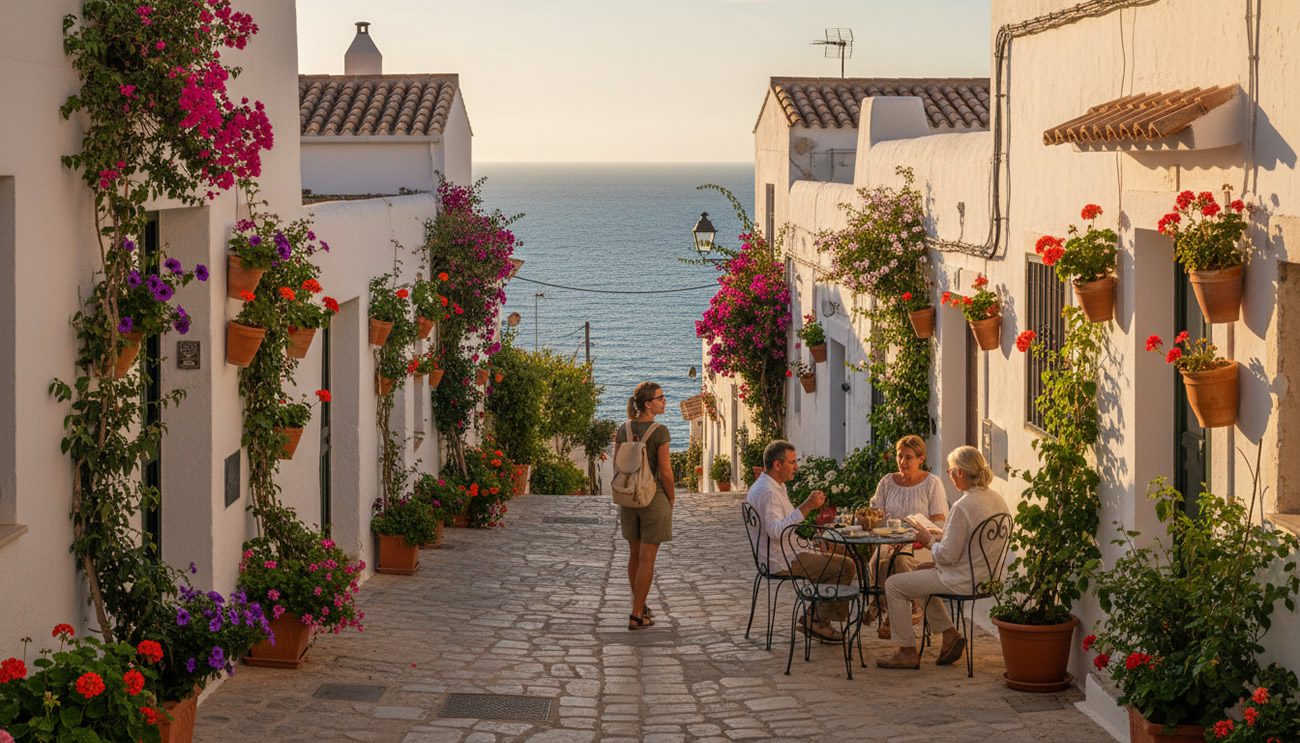
When you live like a temporary resident — waking up in the same place each day, frequenting the same cafes and markets, and participating in local routines — you start to notice subtle cultural rhythms that brief stops never reveal.
2. Open the Door to Authentic Encounters
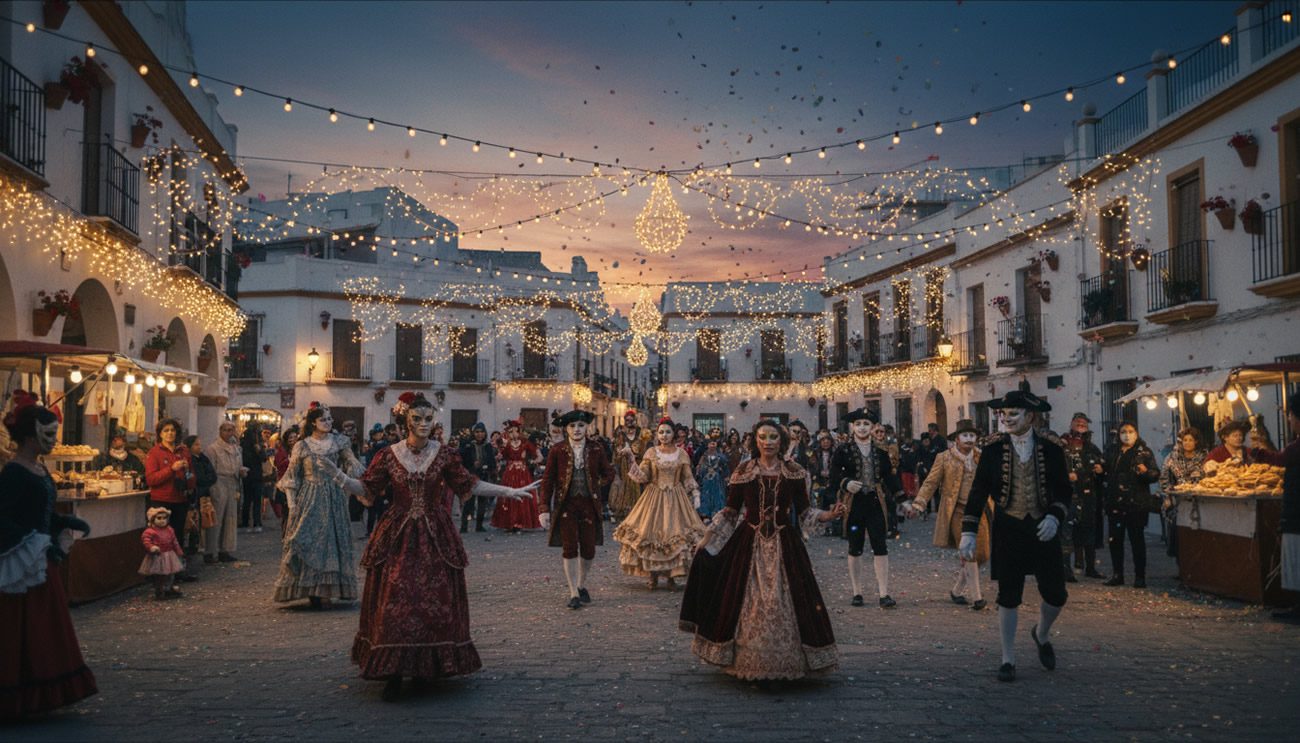
With time and flexibility in your itinerary, unexpected experiences become part of the trip — like joining a community festival, sharing stories with a local artisan, or following a recommendation that wasn’t in a travel guide.
3. See Beyond the Tourist Trail
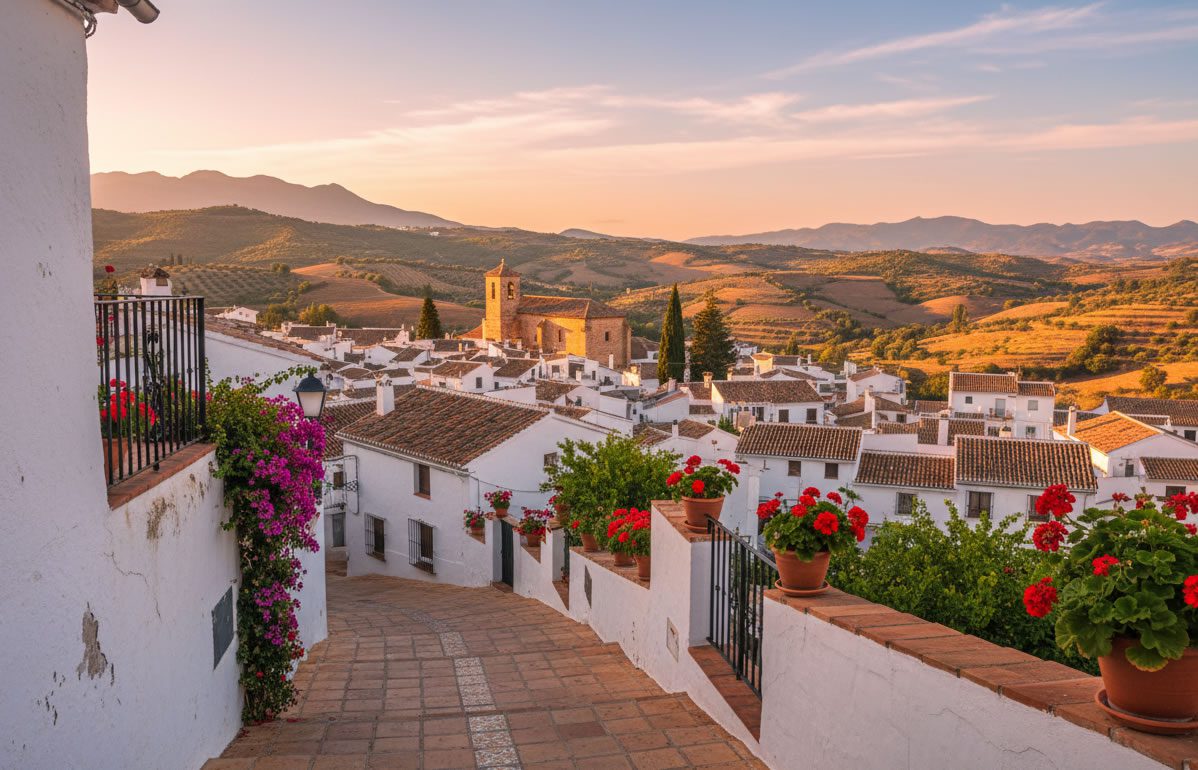
Fast tourism often gravitates toward the most famous sites. Slow travel gives you the freedom to explore quiet streets, hidden markets, and everyday moments that hold the real character of a destination.
Well-Being and Mindful Travel
Rushing from one location to another can lead to fatigue and stress. By contrast, slow travel eliminates the pressure of packed schedules and gives travellers breathing room to enjoy small details — lingering over a meal, watching a sunset, or simply absorbing the atmosphere of a place. This relaxed pace often enhances enjoyment and personal reflection.
Supporting Local Communities and the Environment
Slower travel isn’t only good for travellers — it’s better for the places they visit. Staying longer in a single area and choosing to spend time and money in local businesses helps support local economies. Additionally, opting for transportation like trains, buses, cycling or walking reduces your environmental footprint compared with frequent flights or long-distance transfers.
When locals see travellers engaging respectfully with their community — eating at family-run restaurants, shopping at neighbourhood markets or choosing locally-owned accommodations — the benefits extend far beyond tourism dollars.
Flexibility Leads to Surprise Discoveries
One of the richest parts of slow travel is the freedom it creates. Removing rigid schedules gives you space for spontaneity — perhaps an invitation to a traditional workshop, an unexpected festival, or a scenic trail a local recommends.
In slow travel, itinerary isn’t a constraint; it’s a starting point. It’s about curiosity, not checkpoints.
Travel That Leaves a Lasting Impression
Travel that leaves a lasting mark isn't measured by the number of stamps in a passport, but by the depth of the connection made. By choosing to stay longer and move slower, you trade the exhaustion of logistics for the richness of true presence. You aren't just visiting a place; you are becoming part of its rhythm—supporting local life, creating memories that endure, and returning home truly restored.
This is more than a trend; it is an invitation to rediscover the world, and yourself, one intentional moment at a time.